
What's the difference between simplified and traditional Chinese characters?
Published: April 23, 2026
Short Answer
The mainland Chinese government introduced simplified characters in the 1950s to boost literacy. They have fewer strokes than the older traditional forms, so they're easier to learn and write.
Simplified characters are used in mainland China and Singapore. Traditional characters are still used in Taiwan, Hong Kong, Macau, and many older Chinese communities overseas. Most people can read both even if they only write one — the differences aren't as big as they look.
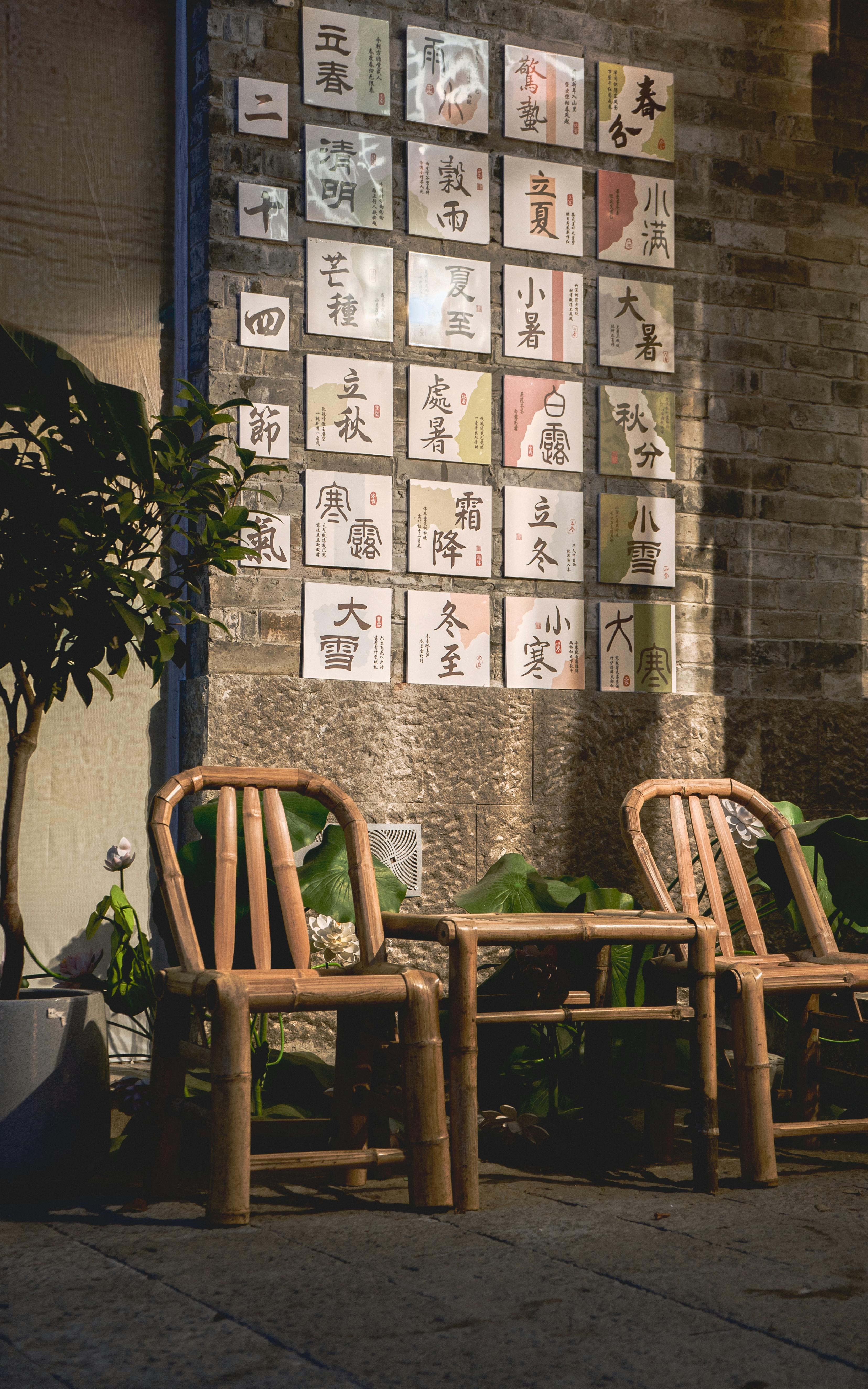
Side by side comparison of simplified and traditional characters
Deep Dive
Character simplification didn't start in the 1950s. People have been making Chinese characters simpler for over 2,000 years. Even in ancient times, people used shorter versions when they were writing quickly. The 1950s reform just collected all these already popular simple forms, standardized them, and made them the national norm.
Why did they do it? In the 1940s, more than 80% of people in China couldn't read. Fewer strokes meant ordinary people could learn to read much faster. The campaign worked — it brought literacy to hundreds of millions of people who would have otherwise been left behind.
How different are they really? Only about a quarter of common characters were changed, and most simplifications follow predictable patterns. If you can read one, you can probably guess most of the other.
If you're learning Chinese, which one should you pick? Here's what I'd suggest:
- If you're traveling or doing business in mainland China → go with simplified
- If you're going to Taiwan or Hong Kong → go with traditional
- If your family is from an older overseas Chinese community → go with traditional
- If you're just curious → start with simplified. It's easier.
Don't overthink it. Once you know one, learning the other is much easier than you'd expect.